
SYSTEMIC DIAGNOSTICS // FIDUCIARY ARCHIVE
THE FIDUCIARY REGISTRY
Independent, non-smoothable intelligence logs and systemic diagnostics compiled over more than a decade of tracing transaction metadata. This archive operates as a sovereign database built to strip away narrative seduction, exposing where portfolio assets are weaponised as pawns within private equity's opaque black box. It equips Level 1 allocators with the precise metrics required to enforce baseline accountability and cleanly separate authentic operational execution from debt-engineered luck.
LUXURY BRANDS & AUTHENTICATION: The True Source of Doubt Lies Within
Luxury brands face a “quality of doubt.” Discover how internal inconsistencies erode trust and how a return to genuine perfection can restore brand value and eliminate authentication concerns.
In the rarefied world of luxury, the question of authentication raises a crucial point: who is truly responsible for luxury product “genuineness”? While third-party authentication services play a role (for customers), the ultimate accountability and the true source of customer confidence (without doubt) rests squarely with the luxury brands themselves.
The perpetual debate around authentication often masks a deeper problem: Luxury’s Quality of Doubt.
This “Quality of Doubt” isn’t merely about counterfeits; it’s about the insidious erosion of trust caused by what many consider “normal accepted manufacturing inconsistencies.” This is a subtle yet powerful form of the Streetlight Effect, where brands, in their comfortable view, overlook minor flaws or perceived deviations as “acceptable,” failing to see how these quietly compromise their promise and change the emotional behaviour of their core customers. This creates an Opaque Black Box of overlooked details, where small quality shortcuts and inconsistencies lead unperceivable to significant customer mistrust. For luxury, where every detail should reflect a flawless commitment to excellence, this is unacceptable from their customers’ point of view.
Analysing a dataset of over 4,000 luxury customer buyer perceptions provides stark evidence. It shows major luxury brands consistently failing to meet minimum customer expectations regarding quality and experience: Prada Group indicates 75% efficiency improvements, Saint Laurent 86%, Gucci 73%, Burberry 96%, and Balenciaga 92%. These results are not just anecdotal; they are quantifiably measured and point to a fundamental common root causes of customers’ authentication concerns and a symptom of unhealthy Organisational Homeostasis.
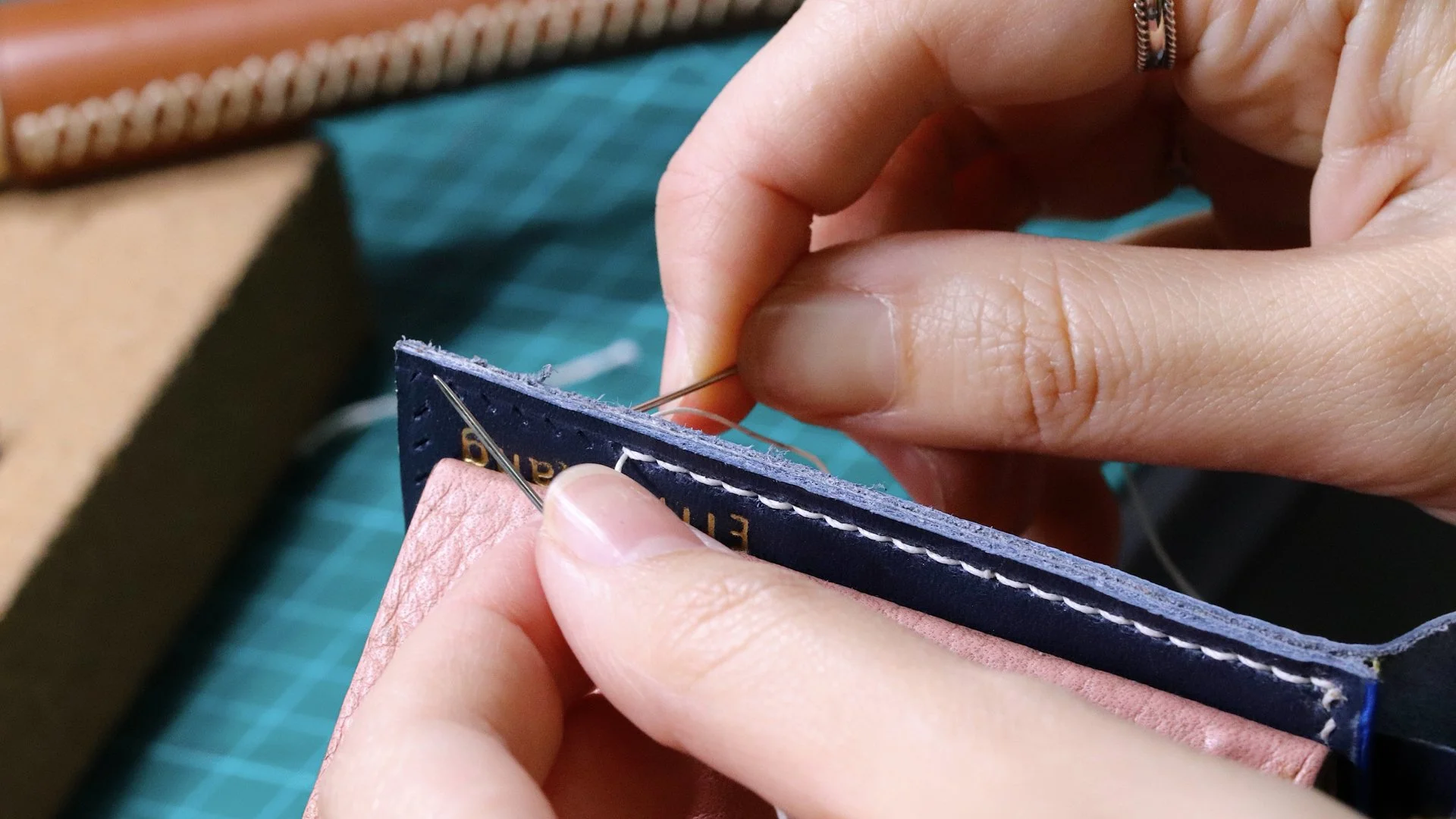
The resolution is clear: brands must return to genuine perfection. It’s not about blaming authentication services; it’s about holding brands accountable for delivering an impeccable product that leaves no room for doubt. Consider saddle stitching as a prime example. You can’t fake saddle stitching. It’s a mark of meticulous craftsmanship that inherently speaks volumes about a brand’s commitment to enduring excellence. It provides a tangible, verifiable indicator of quality that no superficial imitation can replicate.
By focusing on delivering such intrinsic perfection, luxury brands can slowly restore confidence, reclaim the true meaning of “luxury”, and, in doing so, effectively eliminate the very need for external authentication to alleviate customer doubts and concerns. An Organisational CT Scan and diagnostic assessment can quantifiably locate and measure any erosion of trust customers feel and illuminate the precise pathways to re-establish trust, delivering Value & Growth by focusing on the unseen details that matter most to your customers.
The ultimate responsibility will always lie with the brands themselves. Deliver genuine perfection. Ensure every product, every stitch, and every detail lives up to the “luxury” label. That is the true path to restoring confidence and reclaiming the undisputed meaning of luxury.
Archibald London: The Uncomfortable Truth About Reaching Customer Excellence
Discover how Archibald London, a luxury brand, faced a hidden vendor quality breach with radical transparency, redefining customer excellence by confronting uncomfortable truths and rebuilding trust.
“TRANSPARENCY IS EASY WHEN YOU’VE NOTHING TO LOSE; IT’S EVERY BIT AS NECESSARY WHEN THERE’S SO MUCH ON THE LINE.”
This profound statement, taken directly from an email to their community, embodies the extraordinary ethos of Archibald London. A luxury brand defined by its commitment to honesty and masterful craftsmanship, Archibald found itself in an agonising position, revealing an uncomfortable truth about what it truly takes to reach customer excellence.
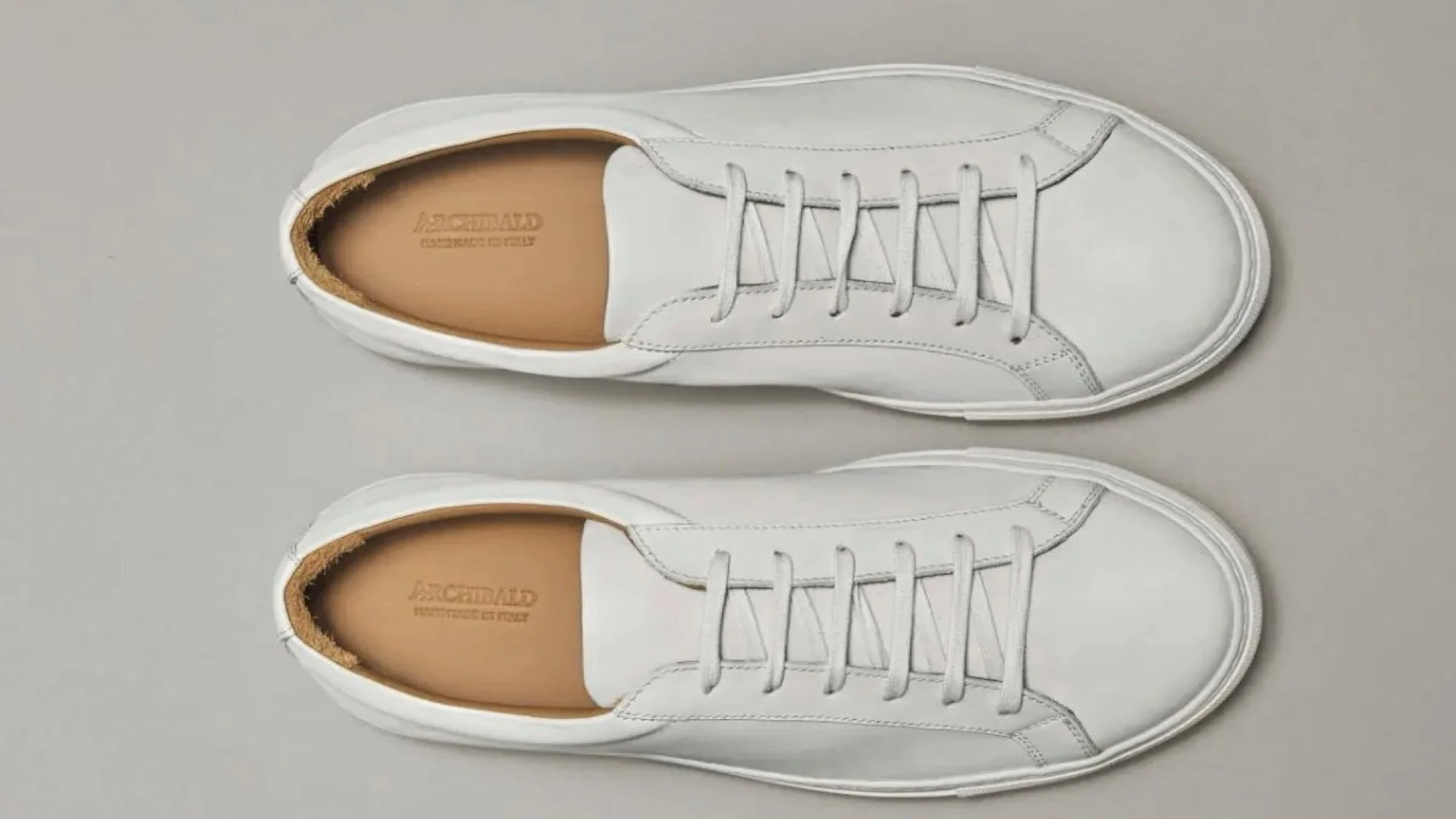
In early 2021, Archibald London received the shocking news that struck at the very foundation of their brand: one of their trusted shoemakers had, without their knowledge or consent, altered the construction method of their hand-welted shoes for recent batches. The discovery came not from internal checks but from a discerning customer, JMR928, who deconstructed his purchase and found the deviation from Archibald’s promised traditional technique. Archibald London, a brand built on lifting the curtain on production costs, artisan identity, and pricing, suddenly found its own operations compromised by an Opaque Black Box operating within its trusted supply chain.
This was more than just a quality control issue. It was a classic example of the Streetlight Effect in action – Archibald had placed their trust (their “light”) in a long-standing artisan relationship, inadvertently blinding them to the hidden “bad flora” that was silently poisoning their product. The shoemaker’s unauthorised change, made during the pandemic in pursuit of a perceived “better” technique for comfort, directly violated Archibald’s brand promise. The shoes customers received, while still positively reviewed, did not match the meticulous narrative of craftsmanship Archibald had so carefully cultivated, creating a profound customer disconnect and eroding the unspoken “gut feeling” of their Customer Grove.
What followed was an extraordinary display of integrity that defines true customer excellence. Archibald London didn’t hide; they chose radical transparency despite the personal pain and potential financial losses. Their team, though small and feeling a sense of personal betrayal from an artisan they considered family, recognised their duty to inform their community. They openly admitted their naivete, acknowledged their own need for closer oversight in changing situations, and committed to identifying and working individually with every affected customer.
This specific experience for Archibald London, while unique in its courageous transparency, perfectly illuminated a critical, often-overlooked vulnerability I had begun to sense in organisations: that even meticulous brands can unknowingly cede control to their vendors. This effectively transforms external partners into Opaque Black Boxes, harbouring risks unseen by the core leadership. This very insight, sparked by their challenging situation, sowed a crucial seed for how I later approached similar issues, allowing me to easily trace the root causes of seemingly complex problems—such as the choice of acetate in luxury eyewear like Chanel’s—to seemingly distant or disconnected vendor decisions.
Archibald London’s experience demonstrates that the path to enduring customer excellence and lasting brand value isn’t found in avoiding problems but in the willingness to illuminate and address every uncomfortable truth, even when “so much is on the line.” Their commitment to their community and their values, demonstrated in their darkest hour, is a testament to the profound strength unlocked by radical transparency.